
Well, last night, down in the CVNP, was a yet another strange night. It was dusk as I was setting up. I was surrounded by bats! Both Large and Small Brown bats, seining the air, eating all those yummy mosquitoes. Made me happy. And I was not worried about them getting stuck in my hair. Speaking of the air, it was the kind you can wear. I could see dew forming on my car and felt it on the camera before It was dark. Having learned from dew-induced mistakes of the past, I was well prepared to make those same mistakes again.
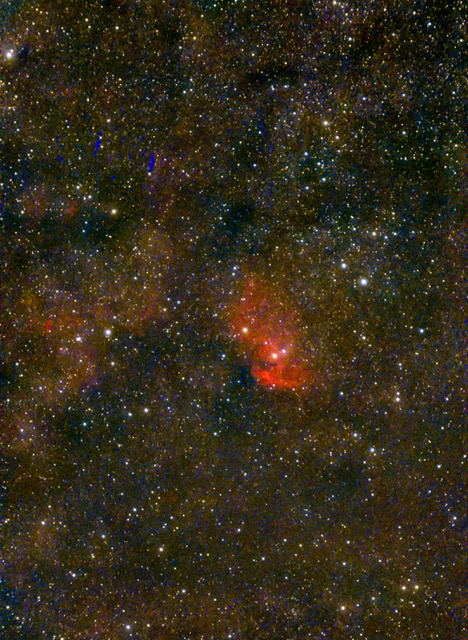
My primary target last night was the Tulip Nebula. It sits about 8,000 light years out there. You probably know it by its more popular name, SH2-101, or Sharpless 101. It’s an emission nebula located in the constellation Cygnus. It’s a whole lotta interstellar gas and dust. I set the Seestar scope to task and went about my challenge of imaging the Milky Way with my Nikon gear. Here’s the Tulip. This is about an hour’s worth of saved images, stacked in the Seestar’s system, with a bit of post processing in LightRoom Classic. Can’t say that I see a tulip there—however, I do see plenty of stars. (Those little blue streaks on the left side are heat-induced artifacts that the Seestar gurus are trying to eliminate in the software. Not to worry.)
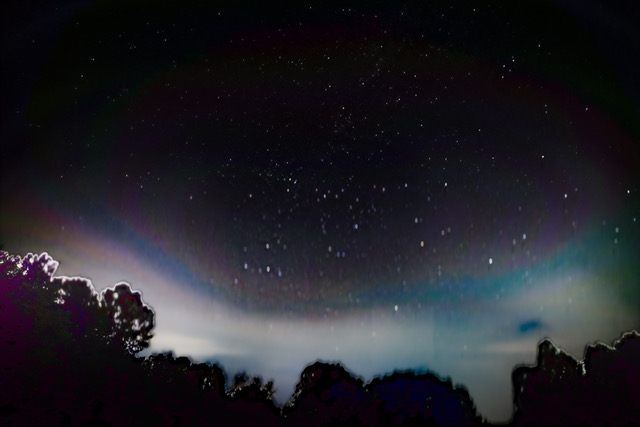
As for the Milky Way and the 99% humidity. I’ll spare you the drama and say the Milky Way does not exist in Northeast Ohio and I’m never going to waste my time and energy trying to image it. I’ll get some pix when I head to Maine in a couple weeks. Meanwhile, here’s what it looks like when humidity creeps onto your lens while you’re not paying attention. Let’s call it art and move on …


Leave a Reply